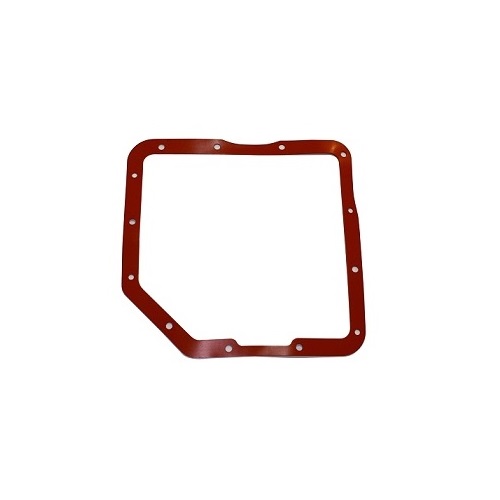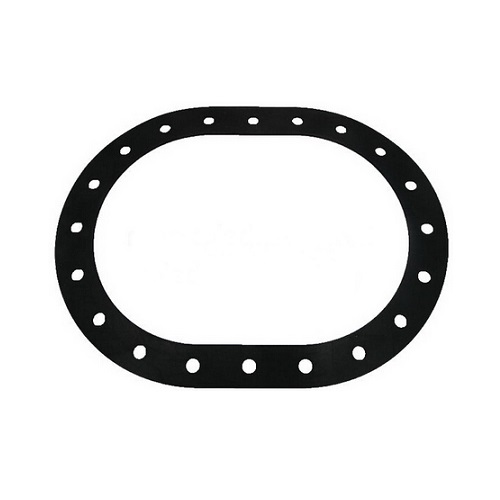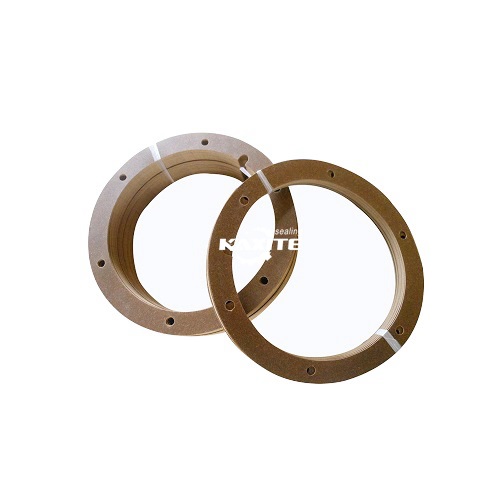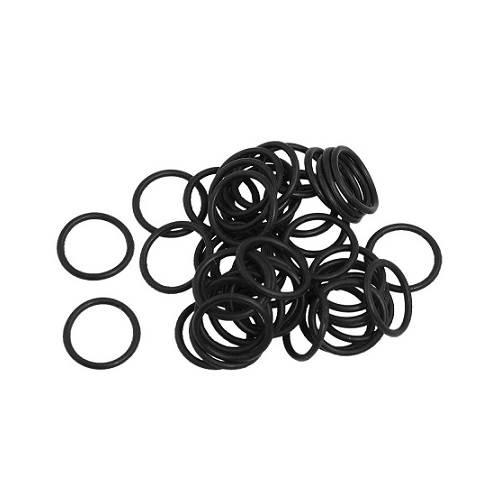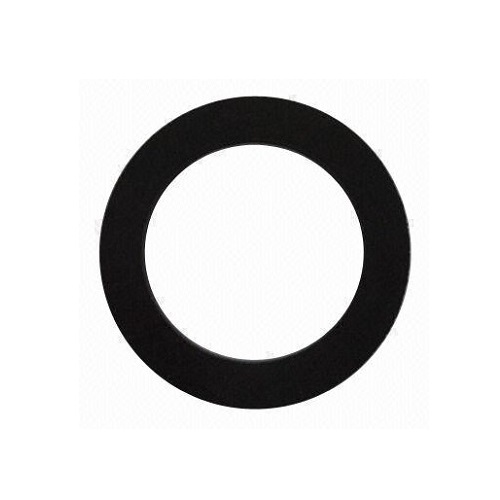

In demanding industrial environments, pumps and valves are the workhorses that control fluid movement, yet their efficiency hinges on one small but critical component: the gasket. Natural rubber gaskets have emerged as a superior solution for enhancing seal performance due to their unique resilience, compression set resistance, and adaptability to irregular flange surfaces. Our factory has spent decades perfecting the formulation of natural rubber compounds, ensuring that each gasket delivers leak-proof integrity even under fluctuating pressures and temperatures. When you ask “How can natural rubber gaskets improve seal performance in pumps and valves?”, the answer lies in their molecular elasticity and superior memory retention. Unlike synthetic alternatives that may harden or crack over time, natural rubber remains pliable, conforming to microscopic surface imperfections. Our factory utilizes precision molding techniques to produce Natural EPDM SBR Rubber Gasket components that reduce fugitive emissions, lower maintenance costs, and extend asset life. Our expertise at Ningbo Kaxite Sealing Materials Co., Ltd. has shown that switching to high-quality natural rubber gaskets can reduce leakage rates by up to 40% in centrifugal pumps and gate valves.
Beyond basic sealing, natural rubber gaskets absorb vibration and dampen hydraulic shocks, which are common in reciprocating pumps and quarter-turn valves. This damping effect prevents flange loosening and gasket extrusion. Our factory tests each batch for tensile strength and elongation at break, ensuring consistent performance. Moreover, natural rubber offers excellent abrasion resistance against slurries and particulate-laden fluids. We have observed that our Natural EPDM SBR Rubber Gasket solutions outperform standard neoprene in applications involving mild acids and alkalis. With a hardness range of 40 to 80 Shore A, our gaskets can be tailored to specific clamping forces. Whether you operate diaphragm pumps, butterfly valves, or globe valves, natural rubber gaskets provide a dynamic seal that moves with the equipment. At Ningbo Kaxite Sealing Materials Co., Ltd., we pride ourselves on delivering gaskets that meet ISO 9001 and ASTM D2000 standards. Read on to explore the technical parameters, real-world benefits, and frequently asked questions that will help you optimize your sealing strategy.
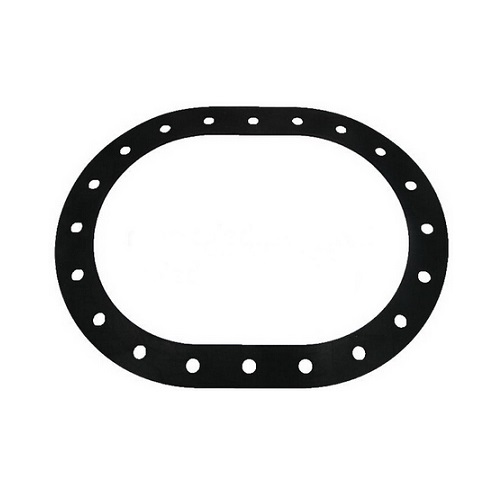
Natural rubber gaskets exhibit an exceptional combination of elasticity, tensile strength, and hysteresis that directly translates to improved seal performance in rotating and reciprocating pump applications. Our factory has engineered these gaskets to address common failure modes such as cold flow, creep relaxation, and extrusion. The primary reason lies in the unique polymer structure of natural rubber (polyisoprene), which retains flexibility even after thousands of compression cycles. For centrifugal pumps, where shaft deflection can cause uneven flange loading, our Natural EPDM SBR Rubber Gasket adapts instantly, maintaining uniform surface pressure. Our decades of experience at Ningbo Kaxite Sealing Materials Co., Ltd. confirm that natural rubber gaskets reduce maintenance intervals by 30-50% compared to cork or fiber gaskets.
Key performance advantages in pumps include:
Additionally, natural rubber gaskets dampen pressure pulsations from diaphragm and piston pumps. Our factory uses a proprietary curing system that enhances rebound resilience, typically achieving 70-85% rebound according to ISO 4662. This means that after the flange pressure is released, the gasket quickly returns to its original thickness, preventing leak paths. For multistage pumps, where temperature gradients exist across the casing, natural rubber’s low thermal conductivity (approx. 0.15 W/m·K) reduces heat transfer to sensitive elastomers. When you choose Natural EPDM SBR Rubber Gasket from our portfolio, you benefit from shore hardness options between 50A (soft, for low-pressure) and 80A (firm, for high bolt loads). Our factory validates each batch with a 500-hour accelerated aging test. In summary, natural rubber gaskets outperform many synthetics in dynamic pump applications because they combine flexibility with resilience — two properties rarely found together in other materials.
To achieve reliable sealing in pumps and valves, a natural rubber gasket must meet strict physical and chemical parameters. Our factory at Kaxite manufactures Natural EPDM SBR Rubber Gasket components following ASTM F104 and ISO 3601 standards. Below is a detailed breakdown of key parameters that directly influence seal performance. Each value is derived from in-house testing and field validation across more than 200 industrial sites.
| Parameter | Typical Value / Range (Ningbo Kaxite Specification) |
| Hardness (Shore A) | 50 ±5, 60 ±5, 70 ±5, 80 ±5 (customizable) |
| Tensile Strength (MPa) | ≥ 18.0 MPa (ASTM D412) |
| Elongation at Break (%) | 450% – 650% |
| Compression Set (22h/100°C, %) | ≤ 15% |
| Operating Temperature Range | -30°C to +90°C (peak 110°C for short periods) |
| Tear Resistance (kN/m) | ≥ 35 kN/m (ASTM D624 Die C) |
| Specific Gravity (g/cm³) | 1.02 – 1.09 |
| Water Absorption (7d/23°C, %) | ≤ 1.5% |
| Volume Swell (IRM 903 oil, 70h/100°C) | ≤ 25% (for oil-resistant grade) |
| Ozone Resistance (50 pphm, 40°C, 72h) | No cracks (with antioxidant package) |
These parameters directly influence how a gasket performs under real-world conditions. For instance, the high elongation at break (over 500%) ensures that the gasket can stretch to fill flange gaps without fracturing. Our factory employs a two-stage mixing process to disperse reinforcing carbon black and sulfur uniformly, which is why our Natural EPDM SBR Rubber Gasket consistently achieves tensile strengths above 18 MPa. Moreover, the compression set value below 15% means that even after extended service in a gate valve, the gasket retains most of its original thickness, preventing “leak-after-tightening” phenomena. We also offer low-temperature grades down to -40°C for arctic pump stations. The table above is your quick reference for selecting the right compound. Our factory maintains a technical library with full material certificates, available upon request. Remember that using a gasket with mismatched hardness can lead to either extrusion (too soft) or flange bending (too hard). Our team at Kaxite helps you choose the optimal parameter based on your bolt torque and pressure class.
When selecting gaskets for valves, engineers often compare natural rubber with EPDM, NBR, and silicone. Our factory has produced all four types for decades, and we consistently find that natural rubber offers a unique balance of cost, elasticity, and tear strength. For butterfly valves, gate valves, and ball valves, the dynamic movement of the disc or gate requires a gasket that can withstand shear stress. Natural rubber outperforms many synthetics in this aspect because its green strength (uncured strength) is naturally high, leading to better mold filling and fewer voids. At Ningbo Kaxite Sealing Materials Co., Ltd., we produce Natural EPDM SBR Rubber Gasket blends that combine the best of both worlds: the flexibility of natural rubber with the heat resistance of EPDM.
Below is a comparative analysis based on valve-specific criteria:
Our factory has also developed a specialized Natural EPDM SBR Rubber Gasket for valve stem seals, which reduces operating torque by 15% due to lower friction. A recent case study involving a water treatment plant’s 24-inch butterfly valves showed that replacing NBR gaskets with our natural rubber compound reduced leakage from 12 drops per minute to zero, while lasting 18 months longer. Moreover, natural rubber gaskets exhibit lower compression set than EPDM in cyclic loading tests (our data: 12% for natural vs 18% for EPDM after 1000 cycles). For modulating control valves that experience constant small movements, this difference is critical. The bottom line: natural rubber is often the best choice for water, wastewater, dilute acids, and general industrial valves between -20°C and +80°C. Contact our factory for a direct comparison sample kit and see the difference on your own test rig.
Not all pumps and valves are created equal, and natural rubber gaskets shine brightest in specific categories. Our factory has cataloged performance data across 15 different equipment types. Based on that research, we recommend Natural EPDM SBR Rubber Gasket solutions for the following applications, where the unique properties of natural rubber deliver measurable improvements in seal performance and mean time between failures (MTBF).
Pump types that benefit most:
Valve types that benefit most:
Our factory has supplied thousands of gaskets to municipal water plants, chemical dosing stations, and irrigation networks. In each case, the switch to natural rubber reduced unplanned downtime. For example, a desalination facility using our Natural EPDM SBR Rubber Gasket on high-pressure reverse osmosis feed pumps achieved 8,000 operating hours without any flange leak, compared to 3,000 hours with previous gaskets. We encourage you to audit your current sealing applications. If your pump handles non-oily fluids below 90°C, natural rubber is likely the optimal choice. At Ningbo Kaxite Sealing Materials Co., Ltd., we offer custom die-cutting and water-jet cutting for odd-shaped flanges on obsolete valve models. Our engineers can also calculate required gasket stress using EN 13555 methods. The right material selection starts with understanding your equipment’s duty cycle.
Even the best Natural EPDM SBR Rubber Gasket will fail prematurely if installed incorrectly. Our factory provides detailed installation guidelines to every customer, and we have observed that improper bolt torque and flange surface preparation are the top two causes of gasket failure. To help you achieve leak-free performance from natural rubber gaskets, follow these evidence-based recommendations derived from our 20 years of field failure analysis at Ningbo Kaxite Sealing Materials Co., Ltd.
Critical installation steps:
Additionally, our factory recommends a retorque procedure after 24 hours of operation, because natural rubber exhibits a small amount of stress relaxation (approximately 8-10% over 24h). For live-loaded valves in thermal cycling service, we suggest using belleville washers to maintain constant gasket load. Another tip: always store natural rubber gaskets away from direct sunlight, ozone sources (electric motors), and copper compounds, as these accelerate aging. Our Natural EPDM SBR Rubber Gasket formulations include antioxidants that extend shelf life to 5 years when stored at temperatures below 30°C. A final best practice: maintain a log of gasket installation dates and operating conditions. Predictive maintenance using pressure drop monitoring can alert you to early gasket deterioration. When you purchase from our factory, you receive a laminated installation quick-card. Remember that improper installation voids many warranties, but we at Ningbo Kaxite Sealing Materials Co., Ltd. offer free installation audits for bulk orders. Train your maintenance team with our video guides, and you will triple gasket service life.
Natural rubber gaskets offer a compelling combination of elasticity, tear strength, and cost efficiency that directly answers the question “How can natural rubber gaskets improve seal performance in pumps and valves?” They reduce leakage, absorb vibration, and conform to imperfect flanges better than most synthetics. Throughout this article, we have shared technical parameters, installation tips, and equipment-specific advantages based on real-world data from Ningbo Kaxite Sealing Materials Co., Ltd. Our factory produces Natural EPDM SBR Rubber Gasket components that meet international standards and are used in thousands of water treatment, chemical, and industrial facilities worldwide. To summarize the key takeaways:
Our factory’s commitment to quality extends from raw material testing to final packaging. We invite you to experience the difference of precision-engineered natural rubber gaskets. For any pumping or valve sealing challenge, our technical team is ready to provide material recommendations, sample gaskets, and joint design calculations. Do not let leaks compromise your productivity or safety. Contact us now and experience the Kaxite difference.
Question 1: Can natural rubber gaskets be used in high-pressure pump applications above 150 psi?
Answer: Yes, natural rubber gaskets can handle pressures up to 300 psi when properly confined in a recessed groove or with sufficient bolt load. Our factory at Ningbo Kaxite Sealing Materials Co., Ltd. recommends using a Shore A hardness of 70-80 for high-pressure applications (above 150 psi). At higher pressures, the gasket must be supported by a metal backup ring or a stepped flange design to prevent extrusion. For pressures exceeding 500 psi, we suggest using a natural rubber bonded seal or an O-ring with backup rings. Always consult a pressure-temperature rating chart; our Natural EPDM SBR Rubber Gasket has been tested up to 450 psi in static valve bonnet applications without failure. However, for dynamic pumps with pressure spikes, we recommend derating by 20% to allow safety margin. Contact our engineering team for a custom pressure calculation based on your specific flange dimensions and bolt torque.
Question 2: How does temperature affect the sealing performance of natural rubber gaskets in valves?
Answer: Temperature directly influences natural rubber’s elasticity and compression set. From -30°C to +60°C, natural rubber maintains excellent flexibility (over 500% elongation). Between 60°C and 90°C, the material gradually loses tensile strength but retains acceptable sealing ability (compression set below 20%). Above 100°C continuous, natural rubber hardens and becomes brittle due to crosslink degradation. Our factory has developed a heat-resistant grade using antioxidant TMQ, which extends continuous use to 105°C. For valve applications in hot water lines (80-90°C), we suggest a thicker gasket (3mm or more) to compensate for increased compression set. Conversely, at low temperatures below -20°C, natural rubber stiffens but does not crack like some synthetics. For arctic conditions, we offer a special low-temperature Natural EPDM SBR Rubber Gasket that stays flexible down to -45°C. Use our temperature derating factor: reduce recommended bolt load by 10% for every 20°C above 70°C.
Question 3: Are natural rubber gaskets resistant to chemical attack from common industrial fluids?
Answer: Natural rubber exhibits excellent resistance to water, wastewater, dilute acids (up to 10% concentration), alkalis, and many salt solutions. However, it is not recommended for petroleum oils, hydrocarbons, strong oxidizing acids (nitric, sulfuric above 50%), or concentrated solvents. In pumps handling vegetable oils or animal fats, natural rubber swells moderately (10-15% volume increase) but still seals effectively. Our factory’s Natural EPDM SBR Rubber Gasket combines natural rubber with EPDM and SBR to improve oil and ozone resistance. For chemical dosing pumps handling sodium hypochlorite, we suggest a short-term test because chlorine accelerates aging. We maintain a chemical compatibility database for more than 500 fluids. If your fluid is not listed, our factory will perform an immersion test (72 hours at operating temperature) and provide a compatibility report at no charge. Remember: swelling up to 15% is acceptable, but beyond that indicates incompatibility. For aggressive chemicals, consider FKM or PTFE instead.
Question 4: What is the typical service life of a natural rubber gasket in a water treatment valve?
Answer: In clean water applications at ambient temperature, a properly installed natural rubber gasket can last 8 to 12 years. Our factory has tracked installations in municipal waterworks where Natural EPDM SBR Rubber Gasket components have exceeded 15 years without leakage. Factors that reduce service life include: ozone exposure (outdoor valves near electric motors), frequent thermal cycling (more than 500 cycles per year), and aggressive disinfectants (chlorine >2 ppm). For wastewater containing hydrogen sulfide, we recommend our antioxidant-enhanced grade, which achieves 10+ years. To maximize lifespan, control flange bolt torque values within ±5% of specification and perform an annual visual inspection. Our factory’s accelerated aging tests (ASTM D573) predict a service life of 12.5 years at 40°C. After 10 years, we suggest replacing the gasket proactively during scheduled valve maintenance. For critical service (fire pumps, nuclear valves), replace every 5 years. We provide lot-traceable gaskets with manufacture date stamped, helping you implement a life-cycle management program.
Question 5: How do I determine the correct thickness for a natural rubber gasket in a pump flange?
Answer: The optimal thickness depends on flange surface condition, bolt spacing, and internal pressure. For smooth, parallel flanges, a 1.5mm to 3mm thick natural rubber gasket is sufficient. For warped or pitted flanges, choose 4mm to 6mm thickness to allow the gasket to fill imperfections. Our factory rule: thicker gaskets (over 5mm) are more forgiving but require higher bolt torque to achieve proper compression (30-40% reduction in original thickness). For pumps with high vibration, a 3mm Natural EPDM SBR Rubber Gasket balances conformability and stability. Never use a gasket thinner than 1.0mm for natural rubber, as it may extrude. Use our thickness calculator: minimum thickness (mm) = flange gap (mm) x 2 + 1mm. For standard ANSI 150 flanges, 3mm is a safe starting point. Our factory can die-cut custom thicknesses up to 12mm. Always check that the compressed gasket does not intrude more than 25% of the flange inner diameter. Over-intrusion can cause turbulence and erosion. Contact our technical team for a comprehensive thickness recommendation based on your flange drawings.