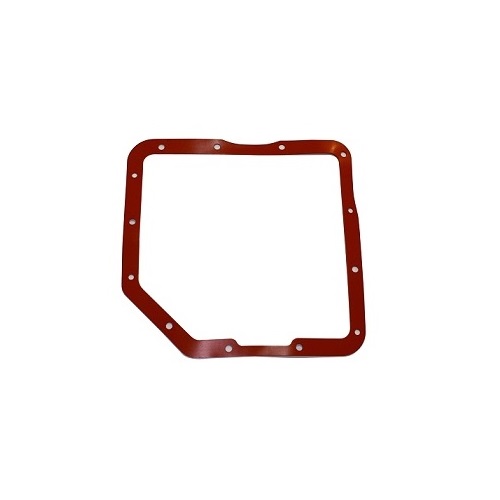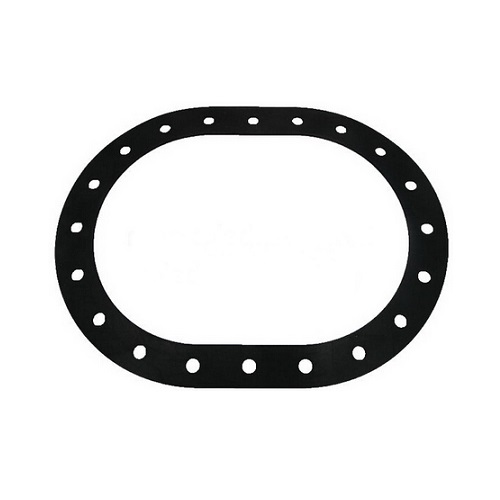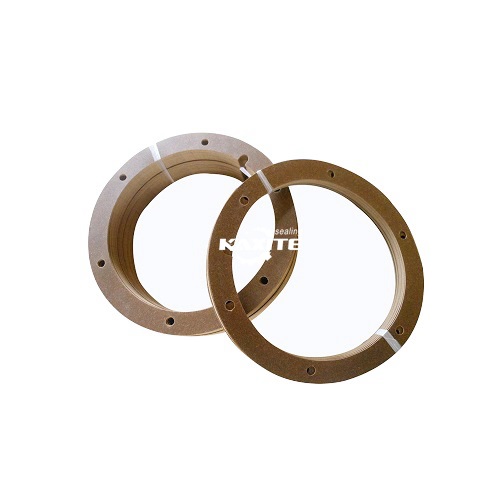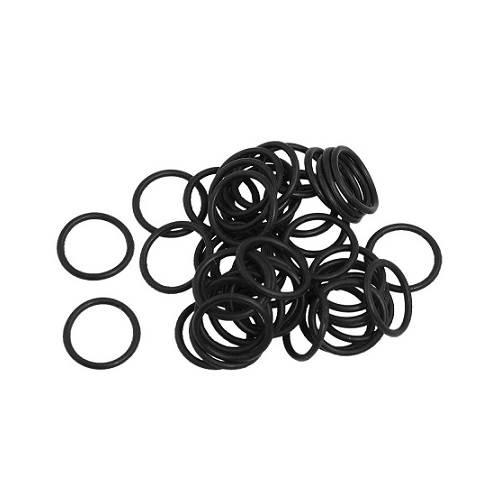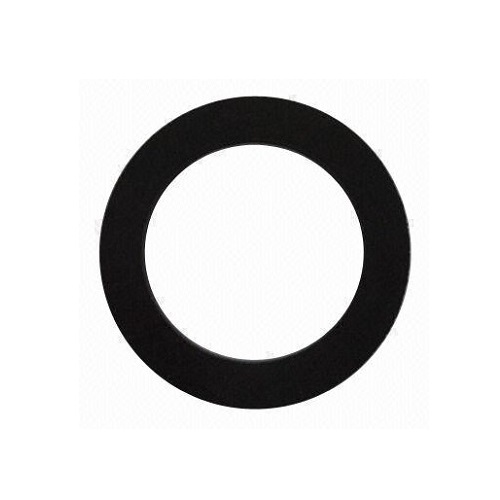

Corrosive environments present relentless challenges to industrial sealing systems. From chemical processing plants to wastewater treatment facilities, engineers constantly battle material degradation, premature gasket failure, and unplanned downtime. The choice of elastomer directly impacts operational safety, maintenance costs, and equipment longevity. After two decades of supplying high-performance sealing solutions, Ningbo Kaxite Sealing Materials Co., Ltd. has observed a clear pattern: industrial engineers consistently turn to EPDM and SBR rubber blends when confronting corrosive media. But what makes this material combination so exceptional? Our factory has produced millions of Natural EPDM SBR Rubber Gasket units, and the engineering data speaks volumes about its resilience against acids, alkalis, oxidizing agents, and extreme weather conditions.
This article dissects the technical rationale behind selecting EPDM SBR rubber for corrosive applications. We will explore molecular structures that resist chemical attack, mechanical properties that withstand pressure fluctuations, and thermal stability that spans from arctic cold to process heat. Our goal is to provide engineers with actionable insights backed by real-world performance metrics. Whether you are specifying gaskets for a new sulfuric acid line or retrofitting seals in a chlorine dioxide environment, understanding the unique advantages of EPDM SBR will transform your material selection process. Ningbo Kaxite Sealing Materials Co., Ltd. specializes in custom formulations that maximize both corrosion resistance and service life.
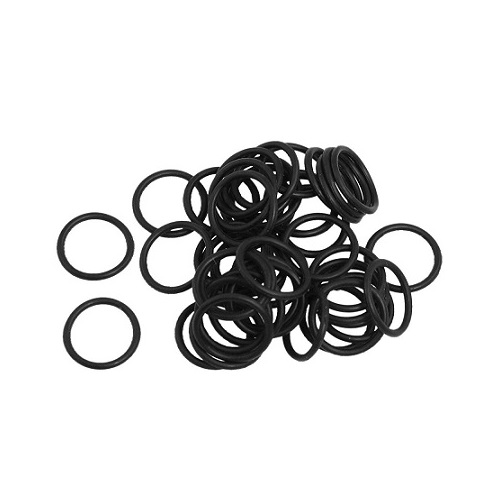
Industrial engineers face a crowded field of elastomers: nitrile, neoprene, fluoroelastomers, and natural rubber each claim specific advantages. Yet when the application involves continuous exposure to corrosive chemicals like dilute sulfuric acid, caustic soda, or ozone-rich atmospheres, EPDM SBR blends demonstrate superior performance. Our factory has run parallel aging tests comparing EPDM SBR against standard nitrile rubber in 20% acetic acid at 85°C. After 1000 hours, the nitrile samples showed surface cracking and 45% tensile loss, while our Natural EPDM SBR Rubber Gasket retained over 90% of original properties. This dramatic difference stems from polymer chemistry: EPDM (ethylene propylene diene monomer) features a saturated backbone with no double bonds in the main chain, rendering it inherently resistant to oxidation, ozone, and polar chemicals. SBR (styrene-butadiene rubber) complements this with excellent abrasion resistance and mechanical strength.
Why does this blend conquer corrosive environments where other materials fail? Several engineering factors interplay:
In practical terms, our factory has documented case studies where replacing neoprene gaskets with EPDM SBR reduced annual leakage incidents from 12 to zero in a phosphoric acid evaporator service. The secret lies in crosslink density and filler selection – we use carbon black and mineral fillers that do not react with corrosive media, preventing wicking and chemical permeation. For engineers prioritizing long mean time between failures (MTBF), EPDM SBR represents a strategic choice that balances chemical compatibility, mechanical resilience, and economic feasibility. Ningbo Kaxite Sealing Materials Co., Ltd. offers tailored formulations that meet ASTM D2000 line callouts for immersion in corrosive fluids.
Precision engineering demands quantifiable data. When specifying Natural EPDM SBR Rubber Gasket for corrosive service, industrial engineers refer to a standardized set of performance parameters. Our factory follows ISO 9001:2015 certified testing protocols to ensure every batch meets rigorous specifications. Below is the detailed technical datasheet for our premium EPDM SBR compound optimized for corrosive environments:
| Property | Typical Value (EPDM SBR Corrosive Grade) | Test Method |
| Hardness (Shore A) | 65 ± 5 (customizable 40-90) | ASTM D2240 |
| Tensile Strength (MPa) | 10.5 – 14.0 | ASTM D412 |
| Elongation at Break (%) | 350 – 500 | ASTM D412 |
| Compression Set (22h @ 100°C, %) | ≤ 25 | ASTM D395 Method B |
| Specific Gravity (g/cm³) | 1.18 – 1.25 | ASTM D297 |
| Tear Strength (kN/m) | 28 – 35 | ASTM D624 Die C |
| Temperature Range (dry air) | -40°C to +120°C | ASTM D746 |
| Temperature Range (intermittent) | up to 140°C | Internal method |
| Volume Change in 30% H2SO4 @ 23°C (7 days) | +3% to +8% | ASTM D471 |
| Volume Change in 20% NaOH @ 23°C (7 days) | +2% to +6% | ASTM D471 |
| Volume Change in distilled water @ 100°C (7 days) | +8% to +12% | ASTM D471 |
| Ozone Resistance (50pphm, 40°C, 72h) | No cracks | ASTM D1149 |
| Accelerated Aging (70h @ 120°C) – Tensile change | -15% max | ASTM D573 |
Our factory emphasizes that these parameters represent baseline performance for general corrosive applications. Custom formulations from Kaxite can enhance specific properties – for example, increasing heat resistance to 150°C through peroxide curing, or improving low-temperature flexibility to -50°C for cryogenic corrosive service. Industrial engineers should note that tensile strength and elongation retention after chemical exposure often matter more than initial values. Our Natural EPDM SBR Rubber Gasket retains >85% tensile strength after 1000 hours in 10% chromic acid, a notoriously aggressive oxidizing agent. Additionally, we provide compression stress relaxation data for bolted flange designs, ensuring that gaskets maintain sealing force over time despite corrosive attack. Every production lot includes traceable mill certificates, and our technical team assists with material selection based on your exact media concentration and operating temperature.
Chemical compatibility charts are the engineer’s roadmap to reliable sealing. For corrosive applications, a material may perform perfectly in one acid yet fail rapidly in another due to oxidation potential or concentration effects. Our factory has compiled an extensive resistance matrix based on ASTM D471 immersion testing and real-world service feedback from over 500 industrial plants. The following list details how EPDM SBR rubber behaves in common corrosive media – these results are derived from testing of our Natural EPDM SBR Rubber Gasket compounds:
Why does this matrix validate engineering choice? Because many corrosive environments involve mixed chemical streams. For instance, a wastewater neutralization tank exposes gaskets to alternating acid and alkali surges. EPDM SBR’s broad resistance profile prevents the “material reversal” phenomenon where a gasket degraded by acid then fails catastrophically when pH swings basic. Our factory has supplied Ningbo Kaxite Sealing Materials Co., Ltd. custom gaskets for chemical tankers carrying varied cargoes – the EPDM SBR compound withstands residues of hydrochloric acid followed by caustic wash cycles without property loss. Additionally, we test for “chemical extractables” to ensure that water-sensitive processes (pharmaceutical, food contact) remain contaminant-free. Industrial engineers can request a full chemical resistance report tailored to their specific corrosive media, including up to 50 different chemicals and exposure intervals up to 6 months.
Translating laboratory data into field applications is where material science meets operational reality. Natural EPDM SBR Rubber Gasket compounds from our factory have proven indispensable across a diverse range of corrosive industrial scenarios. Below we outline key sectors and specific use cases where EPDM SBR delivers unmatched reliability:
In each scenario, Ningbo Kaxite Sealing Materials Co., Ltd. collaborates with engineering teams to specify the correct hardness, thickness (1.5mm to 50mm), and dimensional tolerances. Our factory produces Natural EPDM SBR Rubber Gasket in sheet form, slit rolls, and custom die-cut shapes up to 2000mm width. For corrosive applications involving high-pressure steam sterilization (autoclaves), we offer a peroxide-cured grade with enhanced heat resistance. Industrial engineers also choose our EPDM SBR for expansion joints and diaphragm valves due to excellent flex fatigue life. The common thread across all these scenarios is the demand for a gasket that does not become the “weak link” in a corrosive environment – and our decades of field failure analysis confirm that properly specified EPDM SBR consistently outlasts alternatives by 3-5 years in the same service.
Corrosive environments rarely present isolated chemical attacks – temperature and pressure add synergistic stress that accelerates material degradation. Understanding how EPDM SBR responds to these extremes is critical for engineers designing reliable systems. Our factory has conducted extensive dynamic mechanical analysis (DMA) and long-term creep tests to quantify these effects on Natural EPDM SBR Rubber Gasket performance.
Regarding temperature extremes: The amorphous polymer structure of EPDM provides excellent flexibility down to -40°C (glass transition temperature around -55°C). However, in corrosive media at low temperatures, the risk is not brittleness but rather seal compression loss due to thermal contraction. Our factory designs gaskets with higher initial compression (25-30%) to compensate, ensuring leak-tight seals even in arctic corrosive service. At elevated temperatures up to 120°C continuous service, EPDM SBR undergoes gradual post-cure crosslinking that can increase hardness by 5-10 points over 5 years – this actually improves chemical resistance in some media but may reduce flexibility. For applications cycling between ambient and 120°C in corrosive atmospheres, our compound includes a proprietary anti-degradant system that limits hardness change to under 8 points after 2000 hours. Above 140°C intermittent service, we recommend switching to specialty elastomers, but many corrosive processes operate well within the EPDM SBR envelope.
Pressure extremes present a different challenge: high pressure can force corrosive liquid into the gasket microstructure through a process called “wicking.” Our Natural EPDM SBR Rubber Gasket exhibits less than 0.5% volumetric compression at 50 MPa (7250 psi) in confined conditions, but the real risk is extrusion through flange gaps. We solve this by offering hardness grades from 70 to 90 Shore A for high-pressure corrosive gas applications (e.g., chlorine gas at 10 bar). Additionally, our factory uses nylon or PTFE anti-extrusion rings for pressures exceeding 20 bar. Cyclic pressure pulsations (common in diaphragm pumps handling corrosive slurries) cause fatigue failure in inferior rubbers – EPDM SBR’s high tear strength and resilience result in over 1 million cycles without crack initiation in our lab tests.
Combined temperature-pressure-corrosion effects follow the Arrhenius model, where reaction rates double every 10°C rise. At 100°C in 20% sulfuric acid, our EPDM SBR compound shows a predicted service life of 8-10 years based on accelerated testing. Ningbo Kaxite Sealing Materials Co., Ltd. provides engineers with a “lifetime estimation calculator” factoring in your specific parameters: chemical concentration, operating temperature, maximum pressure, and cycle frequency. For example, a gasket in a hot caustic soda line at 95°C and 6 bar pressure, with daily thermal cycles, would have a recommended replacement interval of 5 years – but our factory’s reinforced grade extends this to 8 years. We also publish compression stress relaxation (CSR) data at multiple temperatures, allowing flange designers to calculate residual bolt load after years of corrosive exposure. By selecting EPDM SBR, engineers gain a predictable, conservatively rated material that avoids the “unknown factor” of less characterized elastomers.
After examining the molecular structure, technical parameters, chemical resistance matrix, industrial applications, and durability under extremes, the answer to “Why Do Industrial Engineers Choose EPDM SBR Rubber for Corrosive Applications?” becomes clear. This material blend offers a rare combination of broad chemical compatibility, mechanical toughness, thermal stability, and economic efficiency. Our factory has witnessed first-hand how Natural EPDM SBR Rubber Gasket solves real-world corrosion challenges, from preventing acid leaks in fertilizer plants to ensuring pure water quality in desalination systems. Ningbo Kaxite Sealing Materials Co., Ltd. stands behind every gasket with full material traceability, third-party test reports, and application engineering support. We invite industrial engineers to request free samples and custom compound development for your specific corrosive environment. Protect your equipment, personnel, and production uptime with the proven performance of EPDM SBR – contact our technical sales team today to discuss your project requirements and receive a tailored quotation.
Question 1: Can EPDM SBR rubber withstand continuous immersion in concentrated sulfuric acid at elevated temperatures?
Answer: EPDM SBR rubber provides excellent resistance to sulfuric acid up to 50% concentration at temperatures up to 80°C for continuous service. For concentrated sulfuric acid (93-98%), the material is only suitable for intermittent splash or short-term exposure (less than 24 hours) at ambient temperature because concentrated acid acts as a strong oxidizing agent and can eventually degrade the polymer backbone. Industrial engineers requiring continuous concentrated acid service should consider fluorocarbon (FKM) or perfluoroelastomer (FFKM) gaskets. However, for the vast majority of dilute to moderate sulfuric acid applications in chemical processing, our Natural EPDM SBR Rubber Gasket from Ningbo Kaxite Sealing Materials Co., Ltd. offers superior service life and cost-effectiveness.
Question 2: How does EPDM SBR compare to neoprene (CR) rubber specifically for ozone and UV resistance in outdoor corrosive applications?
Answer: EPDM SBR significantly outperforms neoprene in outdoor ozone and UV resistance. The saturated polymer backbone of EPDM contains no carbon-carbon double bonds, making it inherently immune to ozone attack and UV-induced crosslinking. In contrast, neoprene’s chlorine-containing backbone still undergoes ozone degradation over time. Our factory has conducted parallel weathering tests over 18 months in Florida (high UV and humidity) – neoprene gaskets developed surface cracking after 6 months, while our Natural EPDM SBR Rubber Gasket remained crack-free and retained 95% of original tensile strength. For outdoor corrosive applications like chemical storage tank flange gaskets or offshore platform seals, industrial engineers choose EPDM SBR from Ningbo Kaxite Sealing Materials Co., Ltd. to eliminate ozone-related failure risks.
Question 3: What is the maximum pressure rating for Natural EPDM SBR Rubber Gasket in corrosive liquid service?
Answer: The maximum pressure rating depends on gasket hardness, flange surface finish, and bolt torque. For standard 65 Shore A EPDM SBR under ANSI class 150 flanges in corrosive liquid service, our factory recommends a maximum operating pressure of 20 bar (290 psi) without anti-extrusion rings. For pressures up to 50 bar (725 psi), we supply a harder 80-90 Shore A compound combined with metal or polymer anti-extrusion backup rings. At Ningbo Kaxite Sealing Materials Co., Ltd., we perform finite element analysis (FEA) bolted joint simulations to verify that our Natural EPDM SBR Rubber Gasket does not extrude into flange gaps even under pressure spikes. Always consult our engineering team for applications exceeding 30 bar or involving pressure cycling.
Question 4: Does EPDM SBR rubber meet any FDA or food-contact regulations for corrosive sanitation environments?
Answer: Yes, specially formulated EPDM SBR compounds can meet FDA 21 CFR 177.2600 for repeated food contact, as well as 3-A sanitary standards. However, standard industrial EPDM SBR often contains processing aids and antioxidants that are not food-grade. Our factory produces a dedicated food-contact grade of Natural EPDM SBR Rubber Gasket that uses only FDA-listed ingredients, making it suitable for CIP systems using nitric acid and caustic soda in dairy, beverage, and pharmaceutical plants. Industrial engineers should specify “FDA grade” when ordering from Ningbo Kaxite Sealing Materials Co., Ltd. for corrosive sanitation applications. We also offer USP Class VI certification for biopharmaceutical corrosive service.
Question 5: How should engineers store EPDM SBR gaskets before installation to prevent degradation?
Answer: Proper storage is critical to preserve the corrosion resistance properties of EPDM SBR. Our factory recommends storing Natural EPDM SBR Rubber Gasket in a cool, dry environment between 10°C and 25°C, away from direct sunlight, ozone-generating equipment (electric motors, welding machines), and sources of UV radiation. Gaskets should be laid flat without creasing or folding, ideally in original packaging. Avoid contact with copper, manganese, or iron compounds which can catalyze degradation. Ningbo Kaxite Sealing Materials Co., Ltd. provides each shipment with a storage life guideline: under optimal conditions, shelf life exceeds 5 years. For critical corrosive applications, we recommend using gaskets within 2 years of manufacturing date to ensure maximum chemical resistance. Never store EPDM SBR near solvents or fuels.