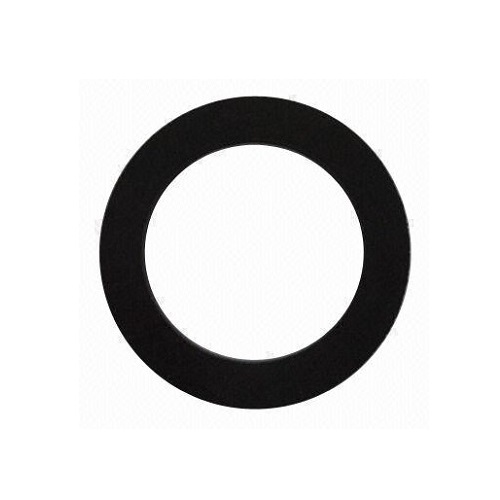
HVAC systems operate under relentless mechanical stress, wide temperature swings, UV exposure, and constant contact with water, steam, and chemical agents. In these environments, the sealing components are not secondary accessories but core structural elements that determine whether a system performs at full efficiency or begins to fail. A single compromised seal can trigger refrigerant loss, condensation intrusion, ductwork leaks, and compressor overload, leading to costly downtime and maintenance cycles that erode profitability. Choosing the right gasket material is not simply a procurement decision but a long-term reliability strategy.
EPDM rubber gaskets have established themselves as the industry-preferred sealing solution across commercial and industrial HVAC applications, precisely because their chemical composition aligns with the demands that HVAC environments impose. At Ningbo Kaxite Sealing Materials Co., Ltd., our engineering team has spent years refining our Natural EPDM SBR Rubber Gasket formulations to meet the evolving requirements of global HVAC manufacturers and contractors. This article examines in depth why EPDM gaskets are indispensable, what technical specifications matter most, and how to select and maintain them for maximum equipment lifespan.
What Makes EPDM Rubber the Right Material for HVAC Sealing Applications?
EPDM stands for Ethylene Propylene Diene Monomer, a synthetic elastomer engineered with a fully saturated polymer backbone. This molecular structure is the foundation of its outstanding resistance to oxidation, ozone degradation, and ultraviolet radiation, three of the most destructive forces in outdoor and rooftop HVAC installations. Unlike natural rubber or nitrile-based compounds, EPDM does not develop surface cracking or brittleness when exposed to prolonged UV cycles or atmospheric ozone concentrations that are common in industrial zones and high-altitude installations.
The thermal stability of EPDM is equally critical. HVAC equipment must seal reliably across start-stop thermal cycling, where joint surfaces expand and contract repeatedly over the service life of the unit. EPDM maintains its compression set resistance across a continuous operating range of minus 50 degrees Celsius to plus 150 degrees Celsius, which means it recovers its original geometry after compression rather than permanently deforming and losing sealing force. This elastic memory is what separates a long-service gasket from one that begins to weep and leak within the first two or three heating seasons.
Our Natural EPDM SBR Rubber Gasket product line at Ningbo Kaxite Sealing Materials Co., Ltd. incorporates carefully selected SBR (Styrene-Butadiene Rubber) blending ratios that enhance mechanical strength and abrasion resistance without sacrificing the base EPDM weather and chemical resistance properties. This dual-compound engineering allows the gaskets to withstand both static sealing loads in flanged connections and dynamic vibration stresses in compressor housings and air handler assemblies.
Key material advantages that set EPDM apart from competing gasket materials in HVAC service include:
-
Outstanding ozone and UV resistance eliminates outdoor degradation even in high-irradiance climates
-
Wide service temperature range accommodates both cryogenic chiller loops and high-temperature steam distribution lines
-
Excellent water and steam impermeability prevents condensate infiltration in cooling coil assemblies
-
Strong resistance to polar solvents, ketones, and dilute acids commonly found in HVAC refrigerant and cleaning chemical environments
-
Low compression set ensures consistent sealing force is maintained throughout the full service interval
-
Good electrical insulation properties reduce galvanic corrosion risk at dissimilar metal joints in chilled water piping
-
Flexible across wide temperature ranges without supplemental heating or pre-conditioning during cold weather installation
-
Compatible with water-based, glycol-based, and mild refrigerant fluid systems in standard HVAC configurations
These characteristics, taken together, explain why EPDM has displaced neoprene and natural rubber as the dominant gasket material in both original equipment manufacturing and field maintenance of modern HVAC systems worldwide.
Why Do EPDM Gaskets Directly Impact HVAC System Reliability and Efficiency?
A gasket failure in an HVAC system does not merely create a visible leak. It initiates a cascade of performance degradation that is often difficult to diagnose and expensive to correct. Refrigerant loss through a compromised compressor or evaporator flange gasket reduces system capacity and forces the compressor to run longer cycles, increasing electrical consumption and mechanical wear simultaneously. Condensate leaks through duct or coil housing gaskets introduce moisture into insulated cavities, promoting mold growth and thermal conductivity losses that reduce the system's overall efficiency rating over time.
EPDM gaskets contribute directly to system reliability through several performance mechanisms:
-
Sustained sealing pressure: Because EPDM exhibits low compression set, it maintains bolt load and flange contact pressure even after thousands of thermal expansion cycles, unlike softer or less resilient materials that relax and allow micro-leaks to develop.
-
Chemical compatibility: Our factory formulations are tested for compatibility with R-410A, R-32, R-134a, and glycol-water mixtures, ensuring that the gasket material does not swell, shrink, or disintegrate when in contact with the fluid media present in modern HVAC circuits.
-
Vibration damping: EPDM's inherent elastomeric damping characteristics absorb compressor vibration at joint interfaces, reducing fatigue cracking in adjacent metal components and extending the mechanical service life of the overall assembly.
-
Weatherproof joint integrity: For rooftop units and outdoor condensers, our Natural EPDM SBR Rubber Gasket provides a continuous weather seal that prevents wind-driven rain from penetrating electrical and refrigerant compartments, protecting sensitive control components from moisture damage.
-
Reduced maintenance frequency: High-quality EPDM gaskets installed at initial assembly typically outlast the first major service interval without requiring retorquing or replacement, reducing labor costs and minimizing the number of system shutdowns required over the equipment's operational life.
From an energy efficiency standpoint, even a minor duct leakage rate of 10 to 15 percent through degraded gasket seals can increase the fan energy consumption of a commercial air handling unit by 25 to 30 percent as the system compensates for lost airflow. In large commercial buildings, this translates to tens of thousands of dollars in unnecessary electricity costs annually. Specifying and maintaining properly rated EPDM gaskets at all sealed joints is one of the most cost-effective energy conservation measures available to HVAC engineers and facility managers.
At Ningbo Kaxite Sealing Materials Co., Ltd., our technical support team regularly assists design engineers in calculating the correct gasket compression ratio and bolt load specifications to ensure that EPDM seals deliver rated performance from the first day of operation through the entire design service life of the equipment.
How Do the Technical Specifications of Our EPDM Gaskets Deliver Superior Performance?
Selecting the right gasket requires matching material specifications to the precise operating conditions of each application. Vague material designations are insufficient for critical HVAC sealing points. Our engineering team at Kaxite Sealing has developed a comprehensive Natural EPDM SBR Rubber Gasket product range with documented physical and chemical properties across multiple hardness and thickness grades.
The following table summarizes the core technical parameters of our standard EPDM gasket product range:
|
Parameter
|
Standard Grade
|
High-Temp Grade
|
Low-Temp Grade
|
|
Material
|
EPDM / SBR Blend
|
EPDM High-Temp Compound
|
EPDM Low-Temp Compound
|
|
Hardness (Shore A)
|
50 plus or minus 5
|
60 plus or minus 5
|
45 plus or minus 5
|
|
Tensile Strength
|
min. 8 MPa
|
min. 10 MPa
|
min. 7 MPa
|
|
Elongation at Break
|
min. 300%
|
min. 250%
|
min. 350%
|
|
Compression Set (70h at 100 deg C)
|
max. 25%
|
max. 20%
|
max. 28%
|
|
Operating Temperature Range
|
-40 deg C to +130 deg C
|
-30 deg C to +150 deg C
|
-50 deg C to +100 deg C
|
|
Ozone Resistance (50 pphm, 40 deg C, 20% strain)
|
No cracking after 96h
|
No cracking after 96h
|
No cracking after 96h
|
|
Water Absorption (ASTM D471)
|
max. 5%
|
max. 4%
|
max. 5%
|
|
Available Thickness (mm)
|
1.0, 1.5, 2.0, 3.0, 4.0, 5.0, 6.0
|
1.5, 2.0, 3.0, 4.0, 5.0
|
1.5, 2.0, 3.0, 4.0
|
|
Standard Sheet Size
|
1000mm x 1000mm / 1500mm x 1500mm
|
1000mm x 1000mm
|
1000mm x 1000mm
|
|
Color
|
Black
|
Black / Dark Gray
|
Black
|
|
Density (g/cm3)
|
1.15 to 1.25
|
1.20 to 1.30
|
1.10 to 1.20
|
|
Tear Resistance (kN/m)
|
min. 20
|
min. 25
|
min. 18
|
In addition to standard sheet and roll formats, our factory offers die-cut gaskets, custom profiles, and molded EPDM seals produced to customer-supplied drawings. Tolerances are held to DIN 7715 P3 as standard, with tighter tolerances available for precision-machined flange applications. All production batches are tested against our internal QC protocol and customer-specified acceptance criteria before shipment.
Compliance and Certification
Our Natural EPDM SBR Rubber Gasket products are manufactured in compliance with the following standards and test methods:
-
ASTM D2000 Classification: BA, CA, DA grades as applicable
-
DIN 28091 gasket material quality requirements
-
EN 681-1 elastomeric seals for water and drainage pipework
-
RoHS compliance: free of lead, cadmium, mercury, hexavalent chromium, and restricted phthalates
-
REACH regulation compliance documentation available upon request
-
Batch traceability with full material test certificates (MTC) supplied with each order
Which HVAC Applications Benefit Most from Natural EPDM SBR Rubber Gaskets?
The versatility of EPDM as a sealing material means that our Natural EPDM SBR Rubber Gasket is not limited to a single component or system type within the HVAC industry. Across the full scope of heating, ventilation, and air conditioning equipment design, there are multiple critical sealing points where EPDM consistently outperforms alternative materials in service life, leak integrity, and maintenance cost over time.
The following overview covers the primary HVAC application categories where our products deliver the greatest reliability benefits:
Air Handling Units and Ductwork
-
Access door perimeter seals on AHU casings require continuous compression sealing against both positive and negative duct pressures
-
Duct flange gaskets at rectangular and round connection joints must maintain airtightness across seasonal temperature variations
-
Filter housing frame seals prevent bypass air from short-circuiting filtration media, protecting indoor air quality
-
Fan section isolation pads and seals reduce noise transmission and prevent vibration-induced joint loosening
Chiller and Heat Exchanger Systems
-
Plate heat exchanger gaskets in glycol and chilled water circuits require sustained elasticity under cyclic thermal and hydraulic loading
-
Shell-and-tube heat exchanger head gaskets must seal against both high differential pressures and thermal expansion of dissimilar metals
-
Condenser and evaporator coil housing seals protect refrigerant circuits from moisture and atmospheric contamination
Piping and Valve Connections
-
Flanged pipe joint gaskets in chilled water, hot water, and condenser water systems
-
Pump casing and volute cover gaskets for hydronic circulation equipment
-
Control valve body seals in variable flow and two-way valve assemblies
-
Expansion joint sealing elements in thermal compensator assemblies
Rooftop and Outdoor Equipment
-
Condensing unit base rail seals and electrical compartment weather gaskets
-
Packaged rooftop unit curb mounting seals that prevent rainwater intrusion into the building structure
-
Outdoor air intake louver seals that resist UV degradation and maintain weatherproof closure under wind load
The following comparison table illustrates how EPDM performs versus alternative gasket materials across key HVAC service requirements:
|
Property
|
EPDM
|
Neoprene
|
Natural Rubber
|
Nitrile (NBR)
|
|
UV Resistance
|
Excellent
|
Good
|
Poor
|
Poor
|
|
Ozone Resistance
|
Excellent
|
Good
|
Poor
|
Fair
|
|
Water / Steam Resistance
|
Excellent
|
Good
|
Fair
|
Good
|
|
Low Temperature Flexibility
|
Excellent
|
Good
|
Good
|
Fair
|
|
High Temperature Rating
|
up to 150 deg C
|
up to 120 deg C
|
up to 80 deg C
|
up to 120 deg C
|
|
Compression Set Resistance
|
Excellent
|
Good
|
Fair
|
Good
|
|
Oil / Refrigerant Resistance
|
Fair
|
Good
|
Poor
|
Excellent
|
|
Typical HVAC Service Life
|
10 to 15 years
|
7 to 10 years
|
3 to 5 years
|
5 to 8 years
|
How Should You Select and Install EPDM Rubber Gaskets for Long-Term HVAC Reliability?
Even the highest-quality EPDM gasket material will underperform if the selection criteria or installation practices are incorrect. Our application engineering team at Ningbo Kaxite Sealing Materials Co., Ltd. has developed a systematic selection and installation framework based on decades of field experience across commercial, industrial, and marine HVAC projects worldwide. Following these principles ensures that every Natural EPDM SBR Rubber Gasket installation achieves its rated performance and service life.
Step 1: Define the Operating Conditions Precisely
-
Identify the maximum and minimum operating temperatures, including any transient excursions during startup, shutdown, or system fault conditions
-
Confirm the fluid media in contact with the gasket, including any cleaning agents or biocides used during system maintenance
-
Determine the operating pressure and any pressure surge or waterhammer conditions that may occur during valve actuation
-
Assess the UV and ozone exposure level for outdoor installation points
Step 2: Select the Correct Gasket Grade and Thickness
-
Match the EPDM compound grade to the temperature range as shown in our product specification table
-
Select the gasket thickness based on flange face roughness, bolt load capacity, and required seating stress, our technical team can provide seating stress calculations on request
-
For dynamic or vibrating joints, specify a slightly softer durometer grade to improve conformation to surface irregularities and enhance vibration damping
-
For high-pressure flanges above 16 bar, consider our reinforced EPDM sheet grades with embedded fabric or metal mesh inserts
Step 3: Prepare the Mating Surfaces
-
Clean all flange faces to remove rust, scale, oil, and old gasket residue before installation
-
Check flange face flatness with a straight edge, warped flanges create uneven gasket loading that produces concentrated leak paths
-
Do not apply thread sealant, grease, or adhesive to the EPDM gasket surface unless specifically recommended by our technical team for the application
-
Verify that the bolt holes and flange dimensions match the gasket drawing before final positioning
Step 4: Install and Torque Correctly
-
Center the gasket precisely on the flange before inserting bolts
-
Lubricate bolt threads and nut bearing surfaces with an appropriate lubricant to ensure accurate torque-to-tension conversion
-
Tighten bolts in a cross-pattern sequence in three passes: 30 percent, 70 percent, and 100 percent of the final torque value
-
Perform a final torque check after the first thermal cycle to compensate for initial gasket relaxation
Step 5: Implement a Gasket Inspection and Replacement Protocol
-
Inspect all EPDM gasket joints during each scheduled HVAC maintenance visit for signs of extrusion, surface cracking, or seepage staining
-
Replace gaskets proactively at the first sign of surface degradation rather than waiting for confirmed leaks to develop
-
Maintain a documented record of gasket installation dates, torque values, and condition findings for each critical sealing point in the system
-
Store spare EPDM gaskets away from UV, ozone sources, and heat in sealed packaging to preserve their properties until installation
Conclusion
EPDM rubber gaskets are not a background component in HVAC engineering. They are active contributors to system efficiency, safety, indoor air quality, and lifecycle cost. Their unique combination of thermal stability, ozone and UV resistance, low compression set, and chemical compatibility with HVAC fluid media makes them the rational choice for virtually every sealing application in modern heating, ventilation, and air conditioning equipment.
At Ningbo Kaxite Sealing Materials Co., Ltd., our Natural EPDM SBR Rubber Gasket product range has been engineered and refined over years of application-specific development to meet the exacting demands of global HVAC manufacturers and contractors. Our factory maintains rigorous quality systems, full material traceability, and a technical support infrastructure that helps our customers specify, install, and maintain gasket seals that deliver rated performance across the full designed service life of their equipment.
Whether you are sourcing gaskets for a new equipment production line, a commercial retrofit project, or a large-scale preventive maintenance program, our team is ready to provide product samples, technical datasheets, application-specific recommendations, and competitive pricing tailored to your project requirements. Choosing the right EPDM gasket from a qualified, experienced manufacturer is one of the most straightforward and effective steps any HVAC engineer or procurement professional can take to improve equipment reliability and reduce total cost of ownership.
Ready to Upgrade Your HVAC Sealing Performance?
Contact Ningbo Kaxite Sealing Materials Co., Ltd. today to request free product samples, full technical datasheets, and a customized quotation for your HVAC gasket requirements.
Our application engineers are available to assist with material selection, tolerance specifications, and compliance documentation for projects of any scale.
Send your inquiry to our sales team and receive a detailed response within 24 business hours.
FAQ: Why Are EPDM Rubber Gaskets Essential for HVAC Equipment Reliability?
Q1: How long do EPDM rubber gaskets typically last in commercial HVAC applications?
A: In well-maintained commercial HVAC systems operating within the rated temperature and pressure parameters, high-quality EPDM rubber gaskets commonly achieve a service life of 10 to 15 years. This extended lifespan is attributable to EPDM's inherently low compression set, which allows the material to maintain its elastic recovery and sealing force even after thousands of thermal expansion and contraction cycles. Factors that influence actual service life include the severity of UV and ozone exposure, the aggressiveness of the fluid media in contact with the gasket, the accuracy of initial bolt torque application, and the frequency of maintenance inspections. Our Natural EPDM SBR Rubber Gasket products are formulated specifically to maximize service life under the combined stresses typical of commercial HVAC environments, and our factory can provide application-specific life expectancy guidance based on the operating conditions of your system.
Q2: Are EPDM gaskets compatible with all refrigerants used in modern HVAC systems?
A: EPDM rubber exhibits excellent compatibility with water, steam, glycol-water mixtures, and many of the refrigerant fluid systems used in HVAC applications, including R-410A and R-32 in the presence of polyol ester oils. However, EPDM is not recommended for direct contact with hydrocarbon-based refrigerants such as R-290 (propane) or with mineral oil lubricants, as these media can cause the EPDM compound to swell and lose mechanical integrity over time. For systems using these media, alternative materials such as nitrile or fluoroelastomer gaskets are more appropriate. Our engineering team at Ningbo Kaxite Sealing Materials Co., Ltd. reviews the specific refrigerant and lubricant chemistry of each application before recommending a gasket material and grade, ensuring that compatibility is confirmed rather than assumed. Always provide the full fluid contact data when requesting a material recommendation for critical sealing joints.
Q3: What is the difference between standard EPDM and EPDM SBR blended gaskets for HVAC use?
A: Pure EPDM compounds offer outstanding ozone, UV, and weather resistance but can have limitations in tensile strength and tear resistance when used in thin-section gasket profiles subjected to mechanical handling, high clamping loads, or abrasive sliding contact during installation. SBR, or Styrene-Butadiene Rubber, contributes improved mechanical strength, abrasion resistance, and cost efficiency when blended with EPDM in controlled ratios. Our Natural EPDM SBR Rubber Gasket formulation is engineered so that the SBR component enhances physical durability without compromising the core EPDM weather resistance and thermal stability properties that make the material ideal for HVAC service. The result is a gasket that is easier to handle during installation, more resistant to edge tearing and mechanical damage, and capable of maintaining its sealing function under the cyclic mechanical loads present in HVAC flanged joints and access door assemblies. For most standard HVAC sealing applications, this blended formulation delivers a better overall value than either pure EPDM or SBR alone.
Q4: What gasket thickness should be selected for flat-face flanged connections in chilled water piping systems?
A: For flat-face flanged connections in chilled water piping, gasket thickness selection depends on three primary factors: the surface finish roughness of the flange faces, the available bolt load from the flange bolt pattern, and the operating pressure of the system. As a general guideline, 1.5 mm to 3.0 mm thick EPDM gaskets are appropriate for machined flat-face flanges operating at pressures up to 16 bar, with thinner gaskets preferred for smoother, more precisely machined surfaces and thicker gaskets used where flange faces have higher roughness or minor waviness that requires additional gasket conformability to achieve a uniform seal. For raised-face flanges, thinner gaskets in the 1.5 mm to 2.0 mm range are typically used, as the raised face concentrates the bolt load over a smaller area and reduces the required gasket seating stress. Our technical team at Ningbo Kaxite Sealing Materials Co., Ltd. provides detailed gasket selection guidance including seating stress calculations for specific flange standards such as ANSI B16.21, EN 1514-1, and DIN 2690 upon request.
Q5: How can HVAC contractors verify the quality and authenticity of EPDM gasket materials before installation?
A: Verifying gasket quality before installation is a critical step that protects both the equipment and the contractor's reputation. Reputable EPDM gasket manufacturers supply full material test certificates with each batch shipment, documenting measured values for hardness, tensile strength, elongation at break, compression set, and ozone resistance against the specified acceptance criteria. Contractors should request and review these certificates before accepting delivery and cross-check the reported hardness using a portable Shore A durometer if one is available on site. Visual inspection should confirm uniform color, smooth surface finish free of voids or inclusions, and consistent thickness across the sheet or die-cut profile. For critical applications, a simple stretch test can confirm adequate elasticity and the absence of brittle or stiff material that may indicate improper compounding or degraded storage conditions. Ningbo Kaxite Sealing Materials Co., Ltd. provides full batch traceability documentation and can supply independent third-party test reports for large-volume project orders where additional quality assurance is required by the project specification.
Ningbo Kaxite Sealing Materials Co., Ltd. -- Precision Sealing Solutions for Industrial and HVAC Applications